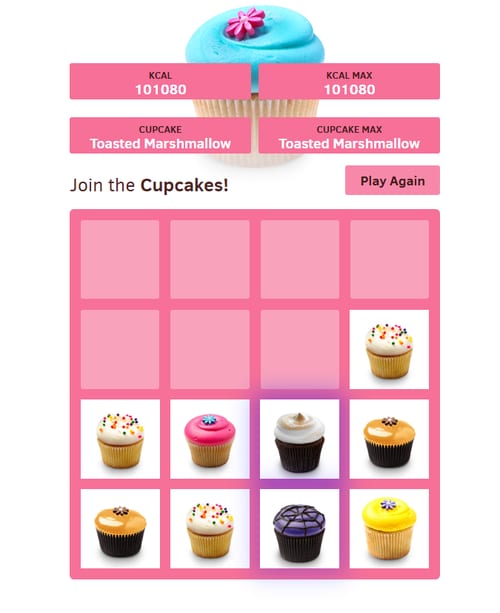
The classic 2048 grid puzzle revolutionized casual web gaming by combining simple tile sliding with satisfying mathematical exponent compounding. However, the creation of themed spin-offs—most notably 2048 Cupcakes—introduced a vibrant visual layer that changes how players perceive grid management, tile recognition, and long-term puzzle strategy.
Understanding the distinct mechanics of both versions reveals why each appeals to different types of puzzle enthusiasts. While classic 2048 relies on abstract numerical values and clear mathematical progression, 2048 Cupcakes replaces numbers with distinct, colorful dessert images representing progressive caloric or tier values.
A detailed comparison highlights how visual presentation transforms traditional grid-sorting mechanics.
1. Key Structural Differences Between Both Variants
Visual Tile Recognition: Classic 2048 relies on numerical values ($2, 4, 8, 16, dots$) to denote tile hierarchy, whereas 2048 Cupcakes uses distinct bakery treats (Vanilla, Chocolate, Red Velvet, Rainbow) to represent matching tiers.
Cognitive Pattern Processing: Numerical tiles allow players to quickly calculate sum trajectories using mental math, while visual variations rely on color recognition and memory retention of cupcake hierarchy tiers.
Player Accessibility and Engagement: Replacing plain number blocks with charming confectionery art makes the puzzle mechanics significantly more inviting for younger players and casual gamers.
2. Practical Strategies for Transitioning Between Versions
Memorize the Dessert Hierarchy

 Denunciar